Mediq Sleeping App
Mediq is a Dutch company specializing in the delivery of medical supplies and associated healthcare services to homes and institutions. Together, we have developed a proof of concept for an app designed to assist people with sleep problems, particularly within companies.
My Role
• Concept
• UI/UX Design & Research
• Visual design
Tools
• Figma
• Miro
• Adobe Illustrator
• Adobe Photoshop
• Adobe InDesign
Research
In an era where the importance of sleep on physical and mental well-being is widely acknowledged, this project endeavors to explore the development, impact, and user experience of an innovative app designed to alleviate sleep-related issues.
Through research and user-focused design principles, we aim to uncover valuable insights that will not only enhance the effectiveness of the app but also contribute to the broader understanding of sleep management in today's fast-paced world.
The goal is to help individuals achieve better sleep quality and overall well-being.
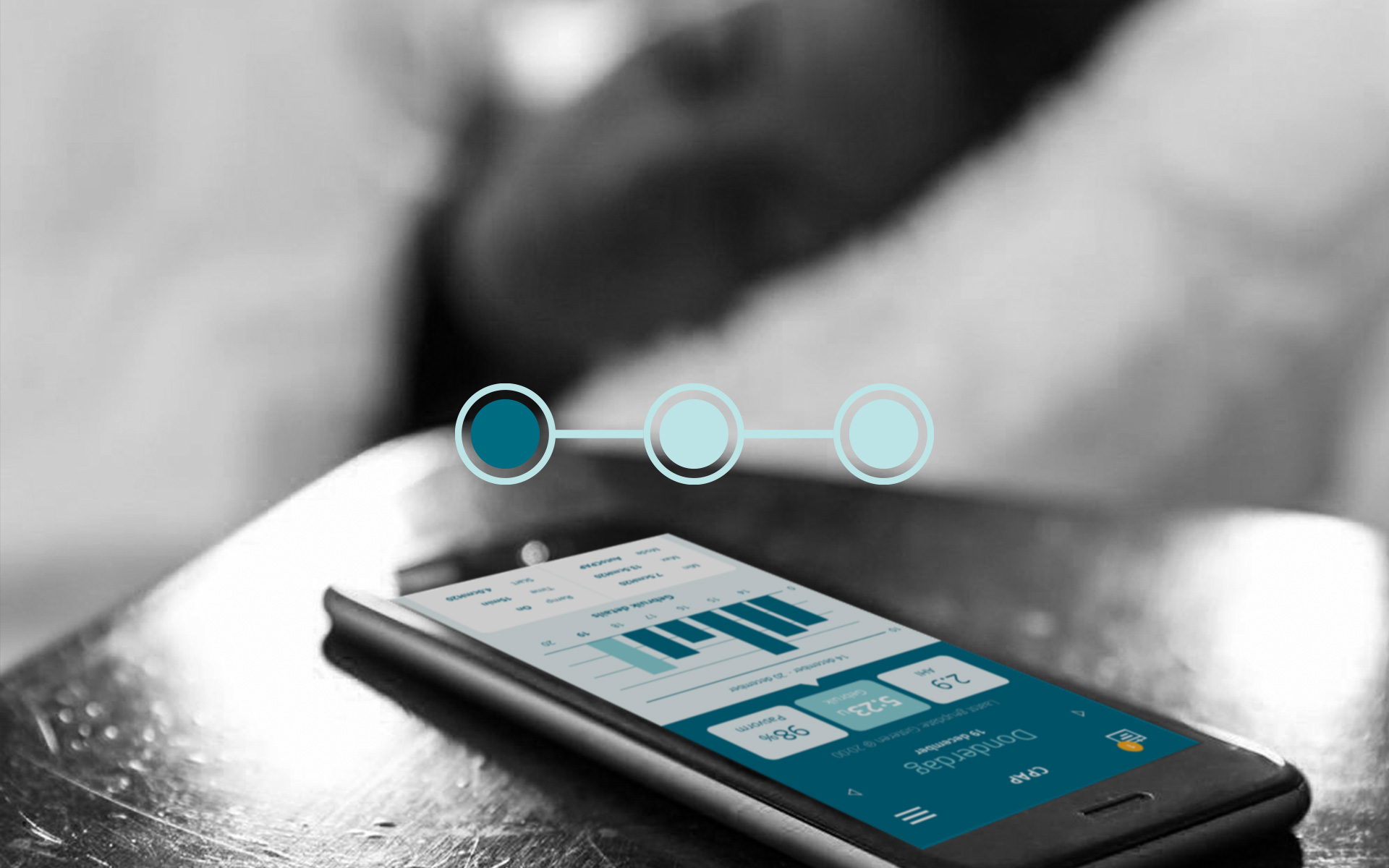


Addressing Sleeping Problems
Gathering insights
Usability Surveys
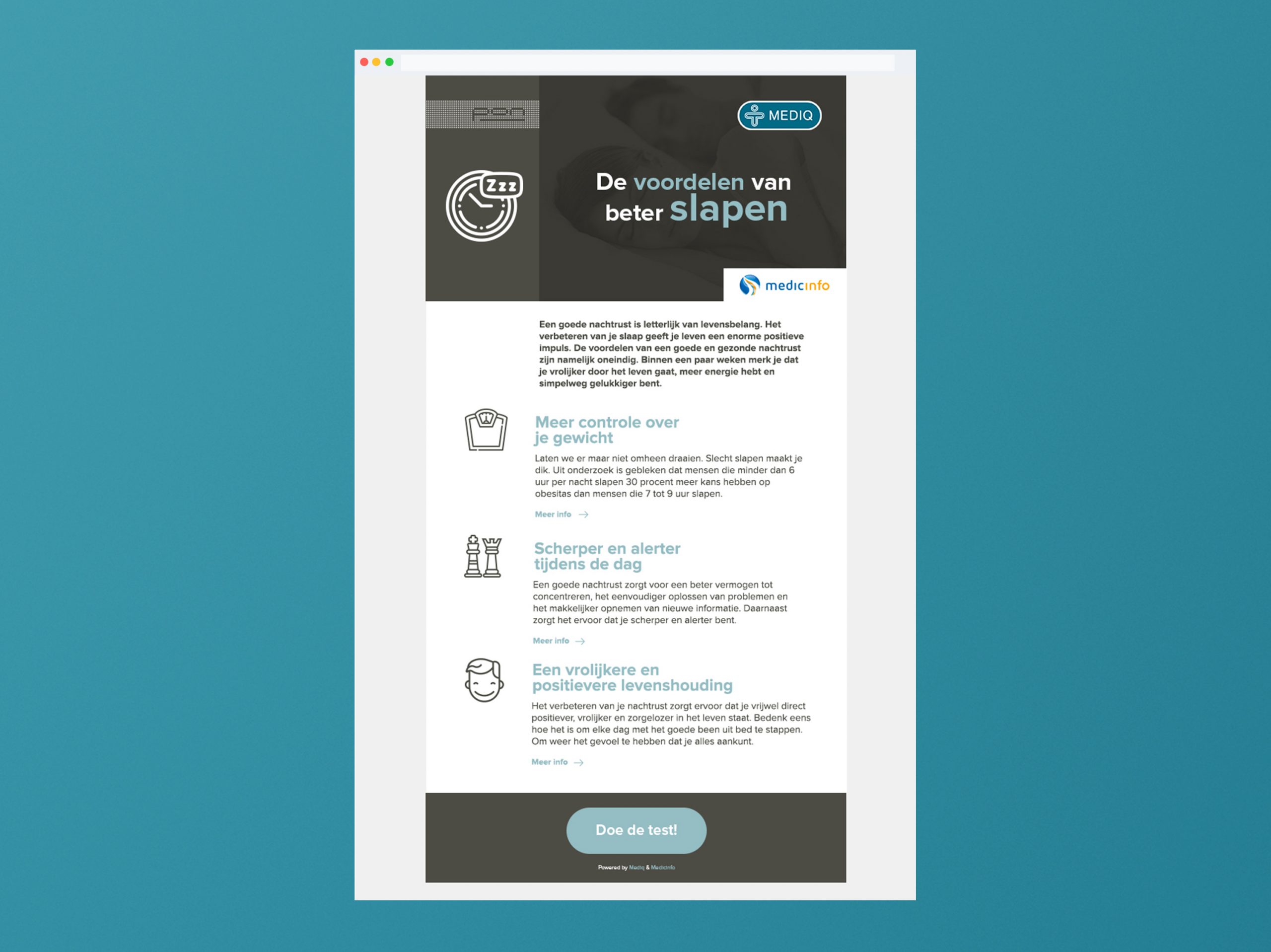
We conducted user surveys in collaboration with participating companies and implemented targeted marketing campaigns to gather invaluable insights.
Respondents actively engaged with our questionnaires, helping us understand sleep problems and the potential need for our new app.


Quantitative & Qualitative Data
Revealing User Needs and Preferences
These insights form the foundation of our mission to develop a user-centric sleeping app tailored to address common sleep issues and enhance overall well-being.
Quantitative Data
78% of survey participants reported experiencing sleep problems at least once a week.
62% identified stress and anxiety as the primary factors affecting their sleep.
94% of users expressed a desire for a dedicated sleeping app to address their sleep issues.
Qualitative Data
Users provided valuable qualitative feedback that shed light on their preferences and needs:
- One user expressed interest in an app that offers guided meditation to promote relaxation before sleep.
- Another user highlighted the importance of a sleep tracker feature to monitor their sleep progress.
Understanding Our Users Sleep Patterns
Based on the user survey results, we have categorized users into two groups: Sleeper 1 and Sleeper 2.
Each category receives a tailored program aimed at improving their lifestyle. For Sleeper 1, the app provides Tips & Tricks to enhance sleep quality and prevent sleep disorders. Category 2 users undergo an intake interview with a coach.
Depending on the intake interview outcomes, the patient may choose to follow the clinical path of Sleeper 3. Throughout this journey, the Mediq Sleep Care app serves as a self-management tool.

Persona
The user research conducted highlighted that individuals with poor sleeping patterns tend to experience short attention spans, reduced performance, and lower productivity. Moreover, if these sleep issues persist, they can lead to severe health problems such as diabetes, heart diseases, and cholesterol-related complications.

The Foundation of Our Approach
Identifying Pain Points:
Lack of Sleep Quality
Many users reported experiencing poor sleep quality, with interruptions and difficulty falling asleep being common issues. This resulted in feelings of restlessness, grogginess, and reduced productivity.
Stress and Anxiety Impact
Stress and anxiety were identified as primary factors affecting sleep for a significant portion of respondents. Users expressed a need for effective relaxation techniques to alleviate these issues before bedtime.
Desire for Sleep Tracking
A notable pain point was the desire for a sleep tracking feature in the app. Users wanted a way to monitor their sleep patterns, understand their sleep quality, and track improvements over time.
Critical Insights for Healthcare App Development
Exploring healthcare app development uncovers vital insights: focusing on user needs, embracing simplicity, building trust, personalizing experiences, prioritizing value, and ensuring inclusivity. These key factors steer the path toward more effective and accessible healthcare technology.

Healthcare Apps Research
Key findings:
Focus on User Needs
A successful healthcare product design process should prioritize addressing user needs rather than solely catering to their wants.
Simplicity is Crucial
Keeping the app interface simple is essential as users may want quick access to information and results. Complex interactions can confuse and hinder usability, so information should be presented in a clear and concise manner.
Instill Trust
To provide users with a sense of safety, the app should establish an environment they can trust, ensuring they feel comfortable using the platform.
Personalized Experiences
To improve the healthcare user experience, it is vital to create more personalized interactions that raise users' awareness of their overall well-being. By understanding medical expressions, users can better engage with the app and become more informed healthcare consumers.
Focus on Value
The design of medical products carries significant responsibility. Instead of solely striving for success, the primary focus should be on delivering a valuable service that enhances people's lives.
Accessibility Matters
Prioritizing inclusivity in healthcare app design is crucial. By adopting accessible design principles, the app can serve a wider user base, including those with disabilities or unique needs, ensuring equitable access to valuable healthcare resources.
Ideation
In the ideation phase, we worked together to brainstorm creative solutions for the sleeping app. We turned these ideas into sketches and prototypes, getting feedback from users to make improvements. This step helped us plan and design the app based on what users really need for better sleep.
During our brainstorming and design process, we thoroughly explored other sleep-related apps to understand what works. We also made sure our app design matches Mediq's style. To make things easy for users, we used design patterns from ui-patterns.com. This helps our app feel familiar and user-friendly.
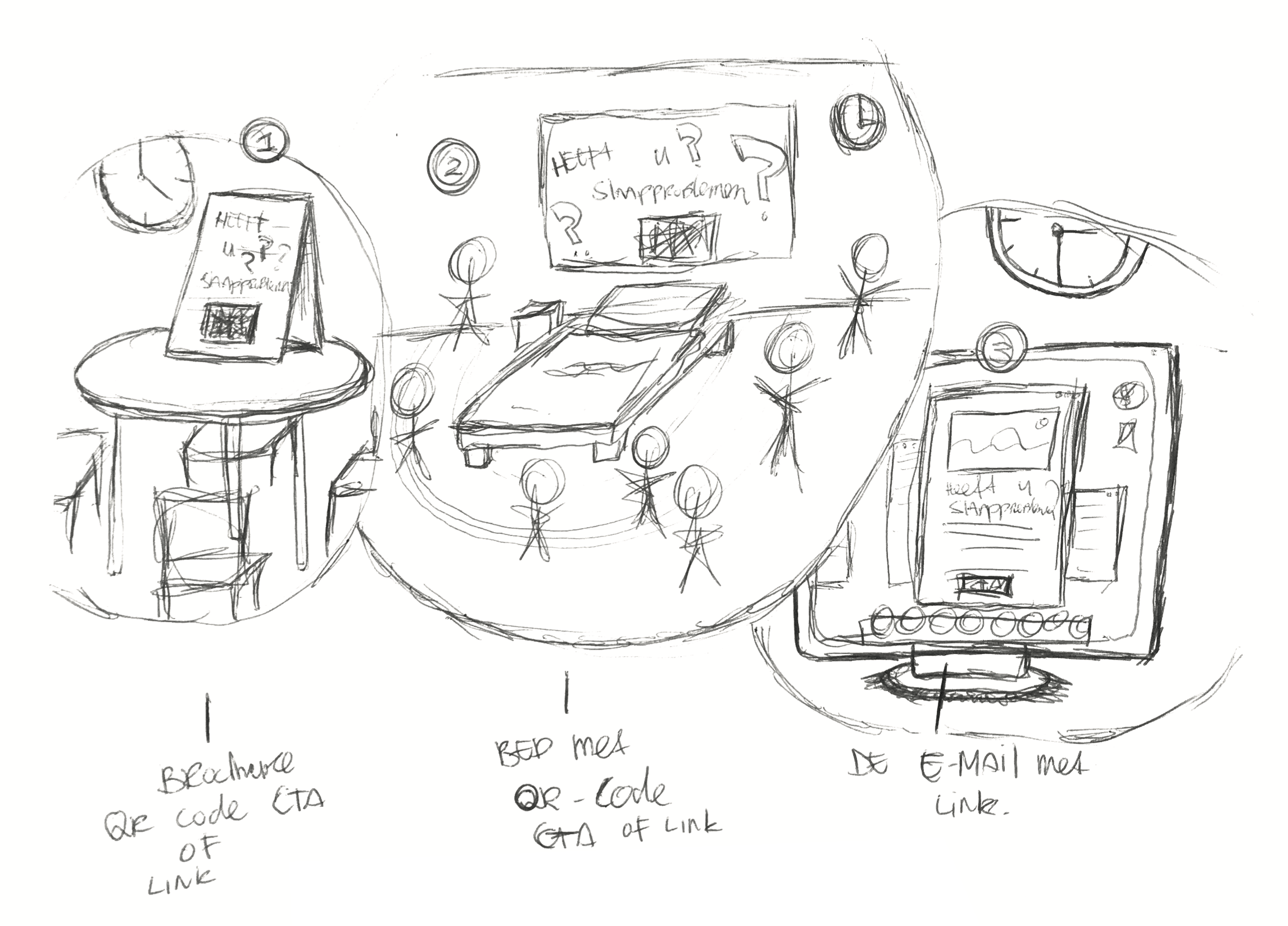
Customer Journey
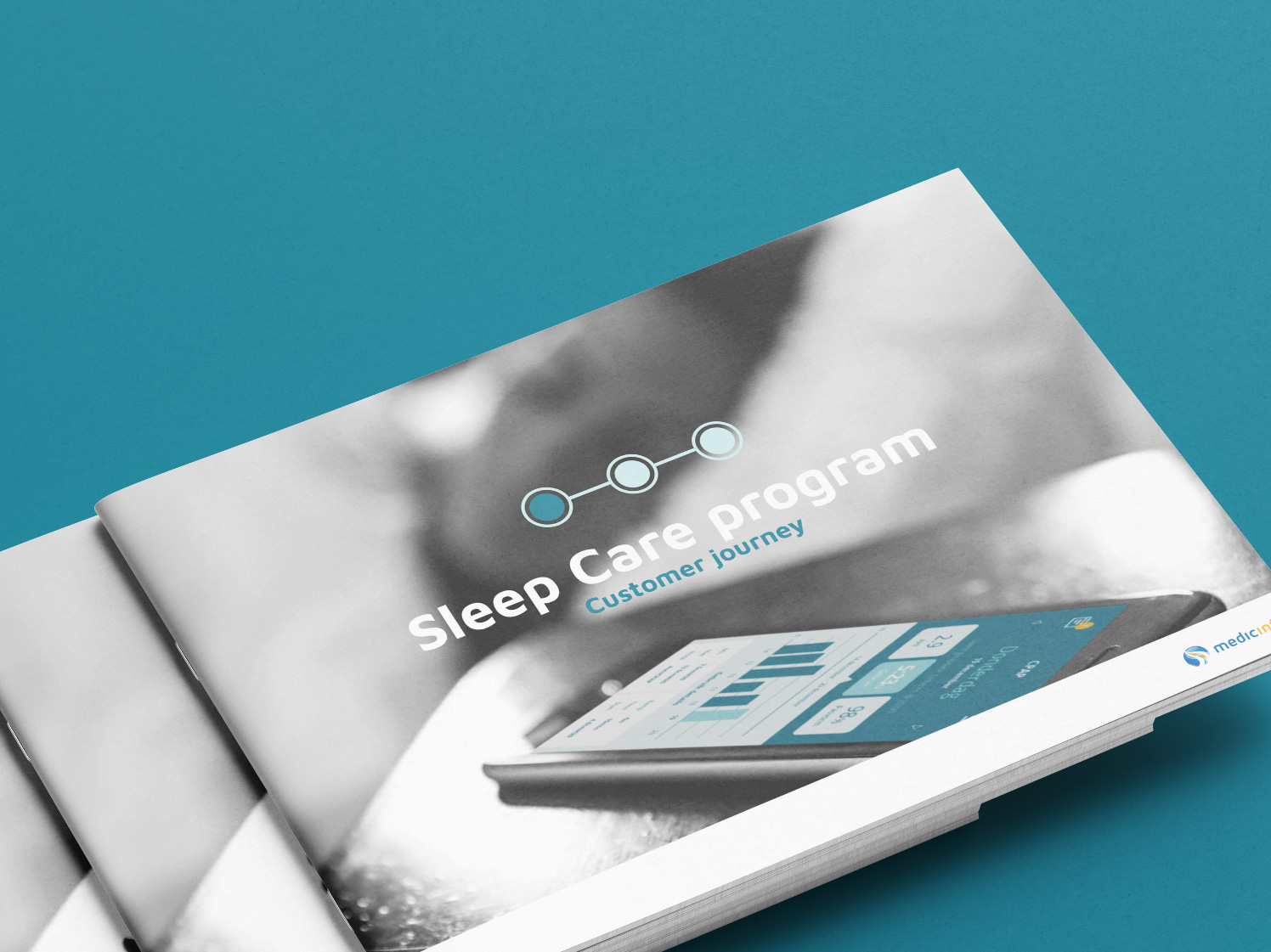
In creating our sleeping app, we didn't just focus on the app itself. We also explored how users discover and use it in their journey. This helped us ensure a smooth and enjoyable experience from start to finish.

Sketches
In the sketch phase, we translated our ideas onto paper, shaping the initial designs for the app. It helped us visualize different features and layouts quickly, getting us closer to creating a user-friendly app

Prototyping
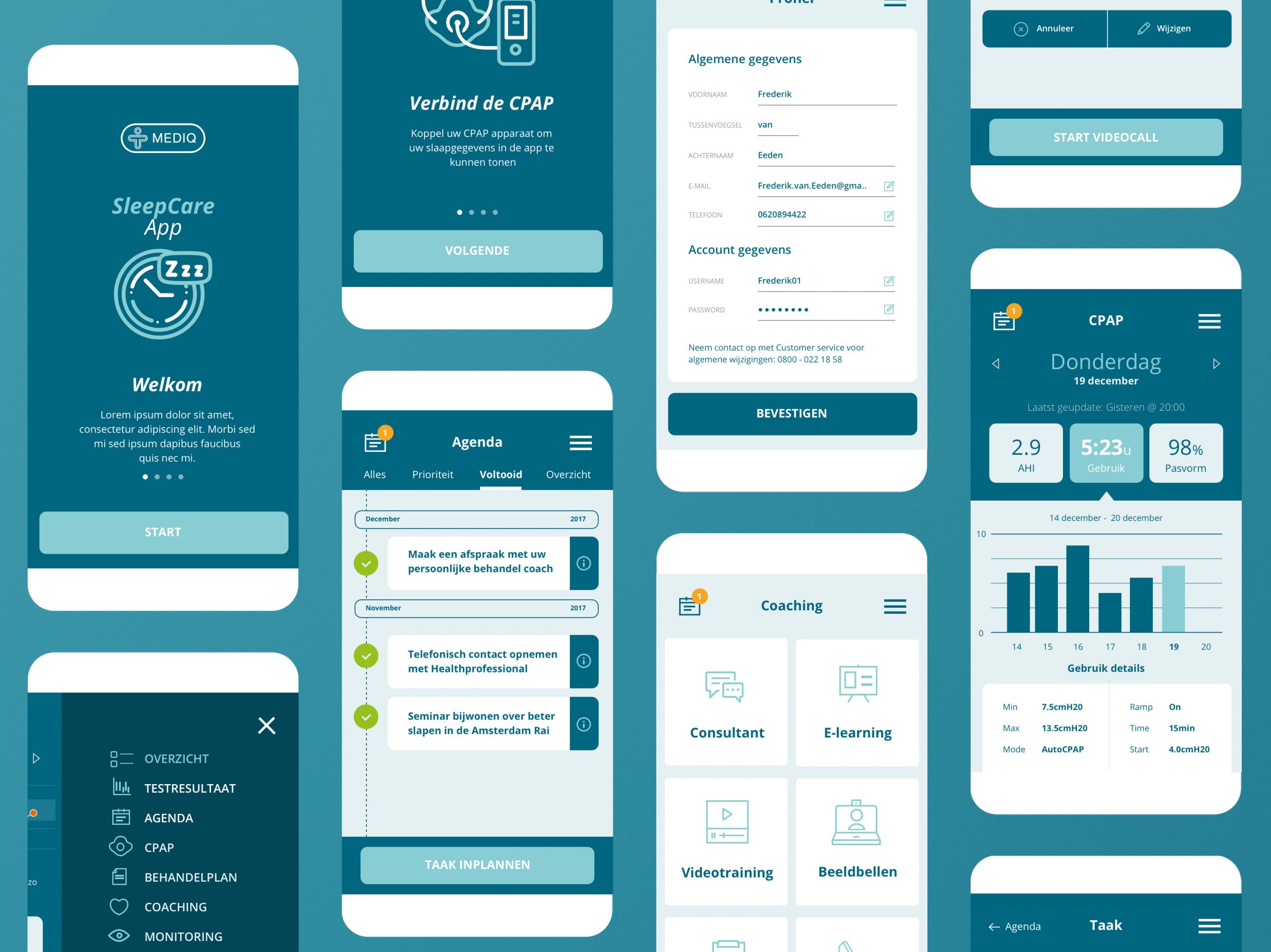
During prototyping, we transformed our designs into interactive models using Figma, ensuring they aligned with Mediq's brand guidelines. Wireframing helped us establish the app's layout and functionality. These interactive prototypes allowed us to gather valuable user feedback, ensuring the app's user interface and experience met our users' needs and expectations.

Validating design decisions
Usability testing
During usability testing, we engaged a diverse group of potential users, including those with and without sleep problems. Task-specific assessments were conducted, revealing areas for app improvement.
However, due to the Proof of Concept stage of the project, we did not proceed with extensive iterations based on these findings. Nonetheless, the usability testing phase played a crucial role in refining the app's user interface and overall usability.
In the future, with additional research and development, the insights gained from usability testing can serve as a valuable foundation for making the app even more user-friendly and effective in addressing sleep-related concerns, ultimately benefiting a broader audience.

Better Sleep and Enhanced Productivity
Conclusion
The app serves as a self-management tool, delivering daily knowledge, coaching, and expert guidance to effectively tackle users' sleep issues. Its primary objective is to provide appropriate treatment and aid users in conquering sleep problems and disorders within 1.5 months of app installation. Reflecting on this project, it has been a compelling and meaningful endeavor, addressing a significant issue.
Notably, the Proof of Concept was a success, and with further research and refinement, it holds the potential to become even more impactful. Handling users' sleep problems posed a unique challenge, requiring the delicate delivery of potentially negative news in a constructive manner. Striking the right balance, especially in minimizing overwhelming notifications during daily app usage, was pivotal.
To guarantee a seamless user experience, I meticulously curated the app's elements, incorporating color palettes, icons, copy, typography, and user flows. These design choices were executed with precision to foster a harmonious interaction between users and the app, nurturing engagement and motivation for improved sleep. Through considerate design and a compassionate approach, the app empowers users to manage their sleep health effectively, ultimately contributing to their overall well-being, enhancing their quality of life, and boosting productivity at work.