Thelma
The growing need for efficient healthcare solutions
that empower patients and streamline the workload
of healthcare professionals has led to the development of Thelma.
This intelligent medication dispenser improves patient self-care
and optimize nursing operations.
My Role
• Concept
• UI/UX Design & Research
• Visual design
Tools
• Miro
• Adobe XD
• Adobe Illustrator
• Adobe Photoshop
• Adobe InDesign
Research
To enhance Thelma for optimal support in healthcare, we identified a crucial challenge: ensuring patients with cognitive or physical limitations can manage their medications independently and effectively. Our commitment led us to develop a refined UI/UX for Thelma, tailored to improve ease of use and accessibility.
This interface development focuses on simplifying medication management for users, while also providing a seamless and intuitive monitoring platform for healthcare professionals and informal caregivers. By prioritizing user-friendly design, we aim to foster patient autonomy and streamline the caregiving process.
The goal is to enhance medication adherence and independence.
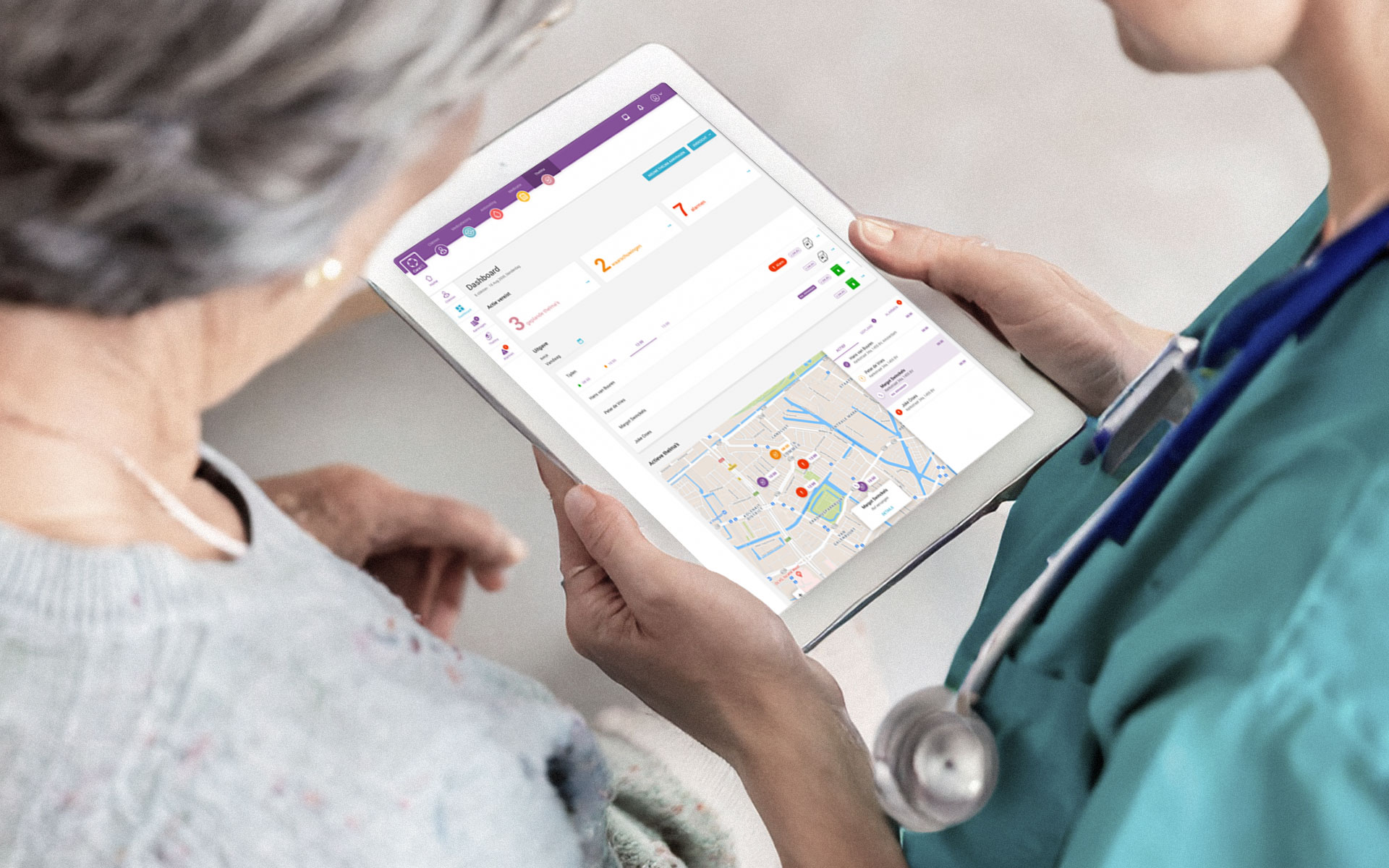


User-Driven Solutions for Medication Adherence
Gathering insights
Leveraging UX Canvas for Insightful Discovery
In our journey to design a
user-centric interface for the Thelma, the UX Canvas method stood at the core of our insight-gathering process. This helped us map out the intricate web of user needs, behaviors, and pain points, allowing for a holistic view of our design challenge.
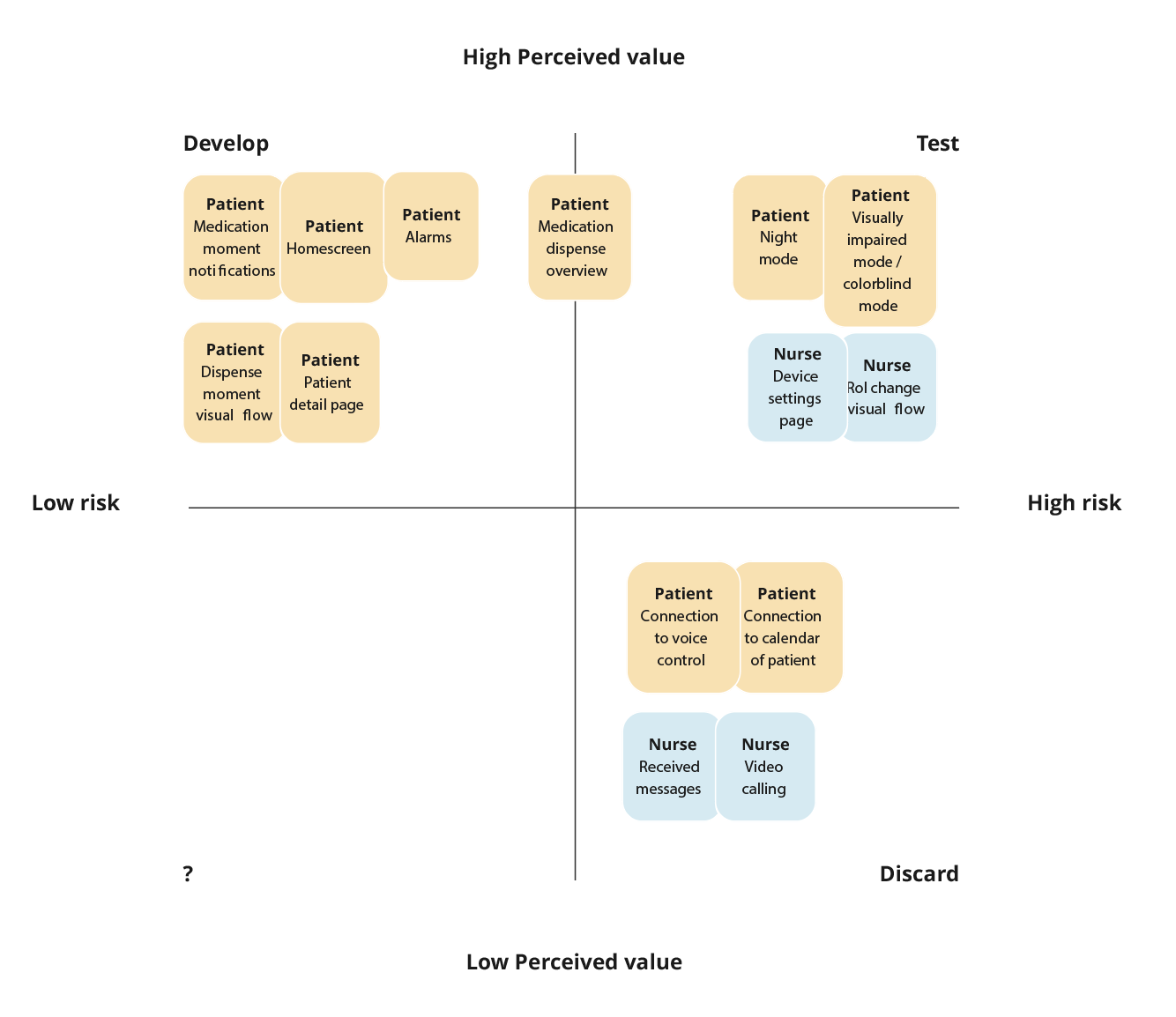
UX Canvas
Revealing User Needs and Preferences
Identifying critical issues like medication adherence and care visit efficiency, to hypothesizing key features aimed at bolstering user independence and streamlining workflows.
1. Understanding Needs and Pain Points:
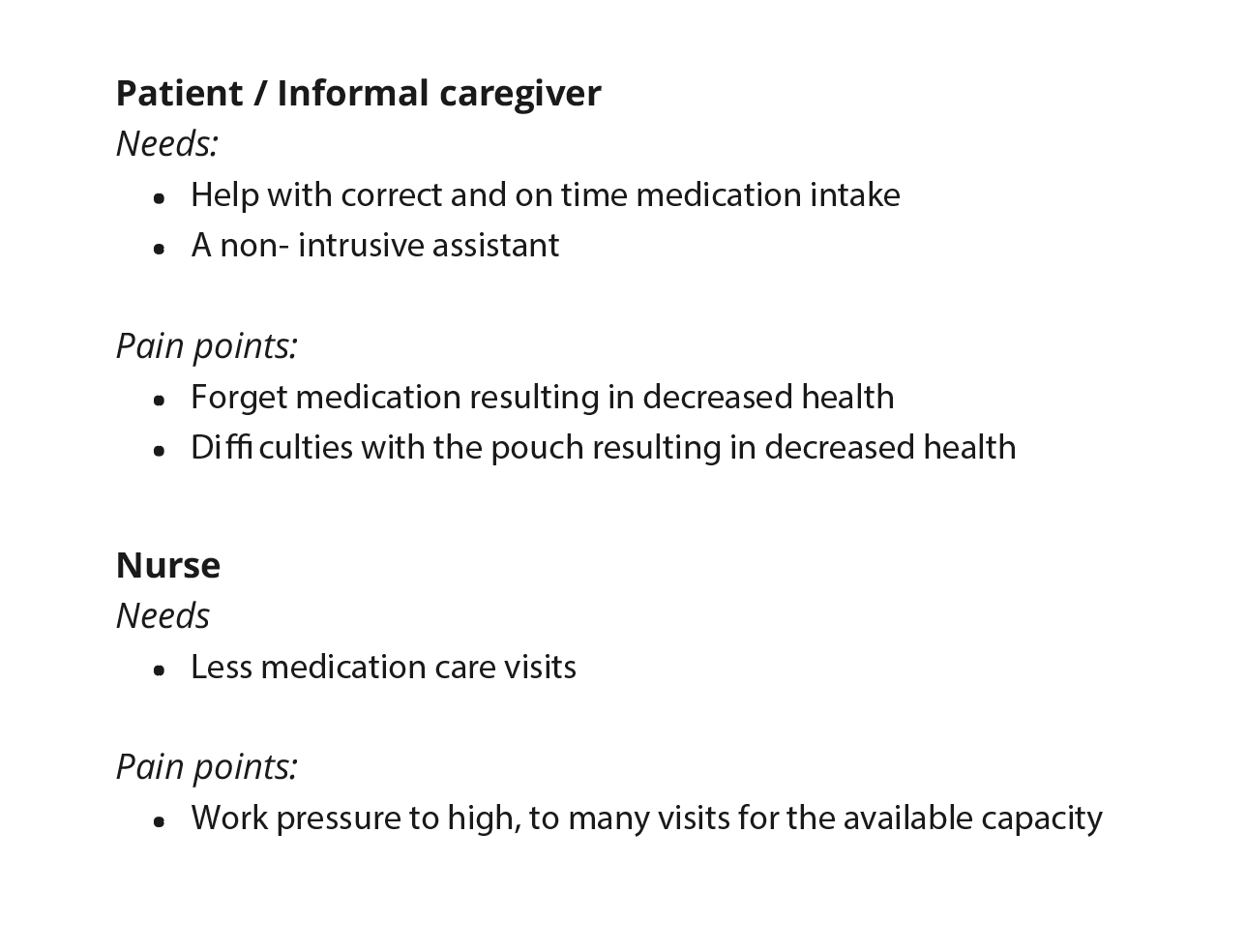
We initiated our research by identifying the needs of patients and informal caregivers, who required assistance with correct and timely medication intake, and nurses who needed to manage care visits efficiently. Pain points such as medication forgetfulness and the high workload for nurses due to excessive home visits were highlighted.
2. Formulating Hypotheses and Features:
From these insights, we formulated hypotheses for each user group, predicting that a 95% adoption rate of the dispenser would be achieved if we could ensure consistent medication intake and enhance self-reliance among patients. The features derived from these hypotheses included medication moment notifications, a home screen with the next medication reminder, and a comprehensive medication dispense overview.
3. Envisioning Solutions:
We envisioned a suite of features that were directly tied to user benefits, ensuring that each design decision was made with the intent to solve real-world problems. For example, the implementation of a 'Night Mode' for the interface was hypothesized to improve patient self-reliance during the night.
4. Testing and Refinement:
The actionable outcomes, like the 95% adoption rate and 90% successful dispensing of pouches, were set as measurable goals. These benchmarks were integral in iterative testing and refinement phases, where user feedback directly influenced interface enhancements.
Primary Persona
The user research underscored that individuals facing cognitive or physical impairments frequently encounter difficulties in adhering to their medication schedules. These challenges can lead to missed doses and health deterioration. Persistent non-adherence may exacerbate chronic conditions and significantly impact overall well-being.

Secondary Persona
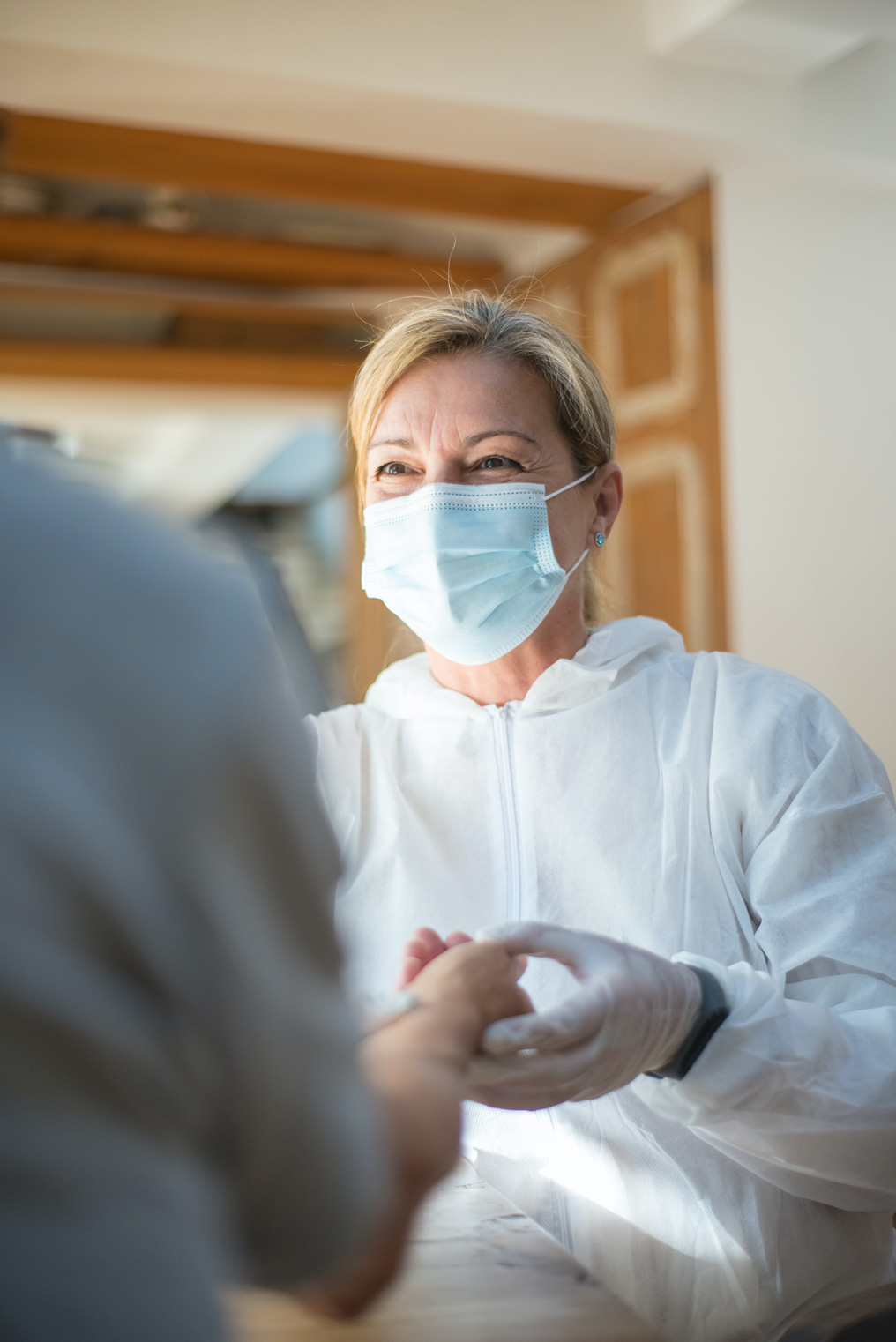
Dedicated nurses who oversee multiple patients and seek efficiency in medication delivery, alongside informal caregivers who need to balance their support with the patients' desire for independence.
The Foundation of Our Approach
Identifying Pain Points:
Inconsistent Medication Adherence
Patients often struggle with remembering to take their medications on time, especially those with cognitive impairments or complex medication schedules. This inconsistency can lead to suboptimal health outcomes and increased healthcare interventions.
Overburdened Healthcare Providers
Nurses face high workloads with too many patient visits for medication delivery, leading to time constraints and stress. The need to balance quality care with available capacity remains a critical issue in home healthcare services.
Informal Caregiver Involvement
Informal caregivers need to be involved in the patient's care routine without being intrusive or overbearing. They seek tools that offer transparency into medication management to provide support when necessary without compromising the patient's sense of independence.
Preconditions
Patients must be on a regimented medication schedule, nurses should be tasked with managing diverse medication needs across several patients, and informal caregivers are expected to assist within their time constraints.
These preconditions set the stage for Thelma to effectively streamline medication management and support.
Scenario
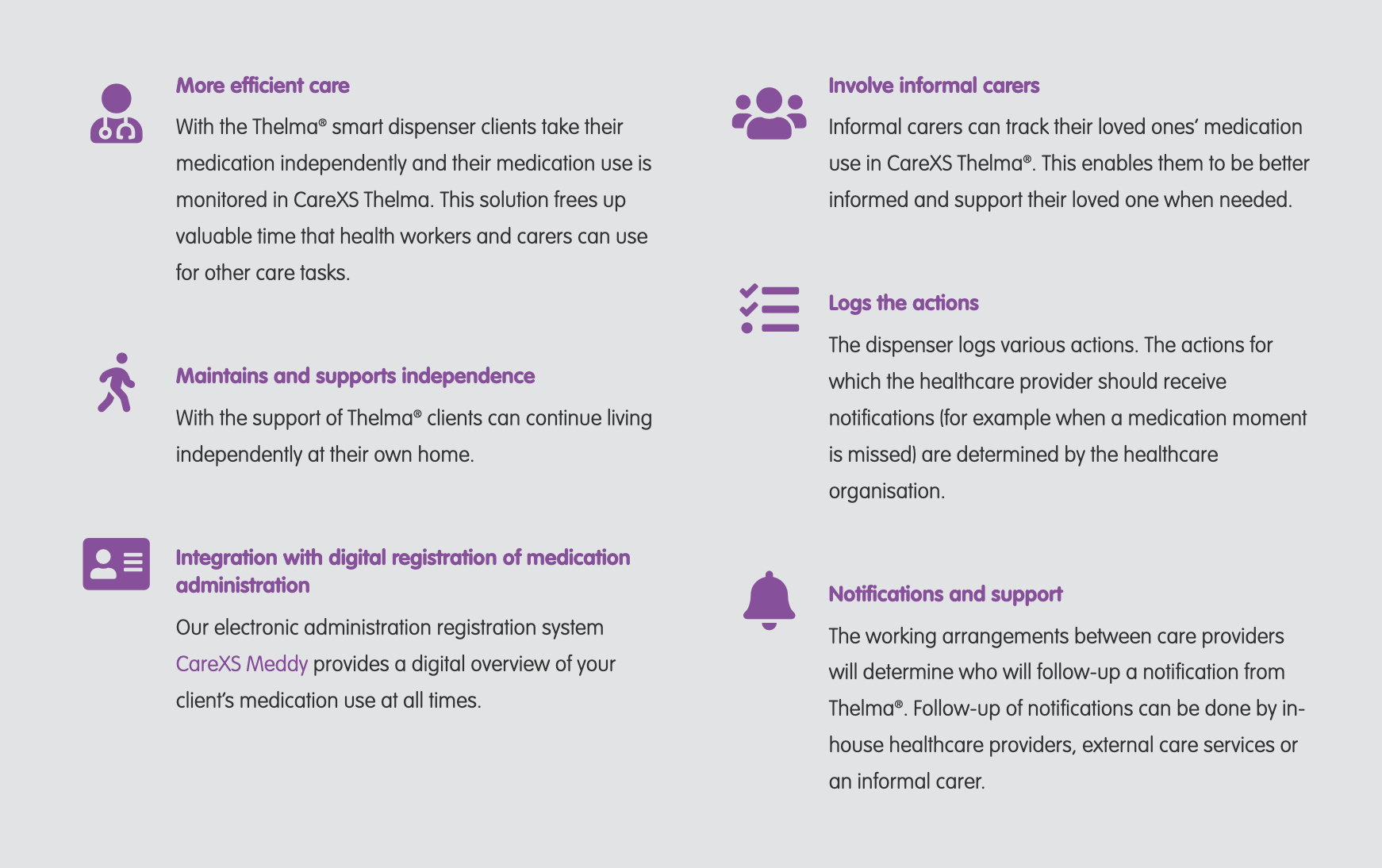
In the scenarios where the Thelma interface becomes crucial, we see patients struggling to remember their medication times, which risks their health due to inconsistent intake. Nurses, burdened by their heavy workload, find it challenging to guarantee timely medication delivery for all their patients.
Meanwhile, informal caregivers are in search of a more efficient method to oversee their loved ones' medication use remotely, aiming to provide support without compromising independence. Thelma steps in as a solution to these interconnected challenges.

Workflow
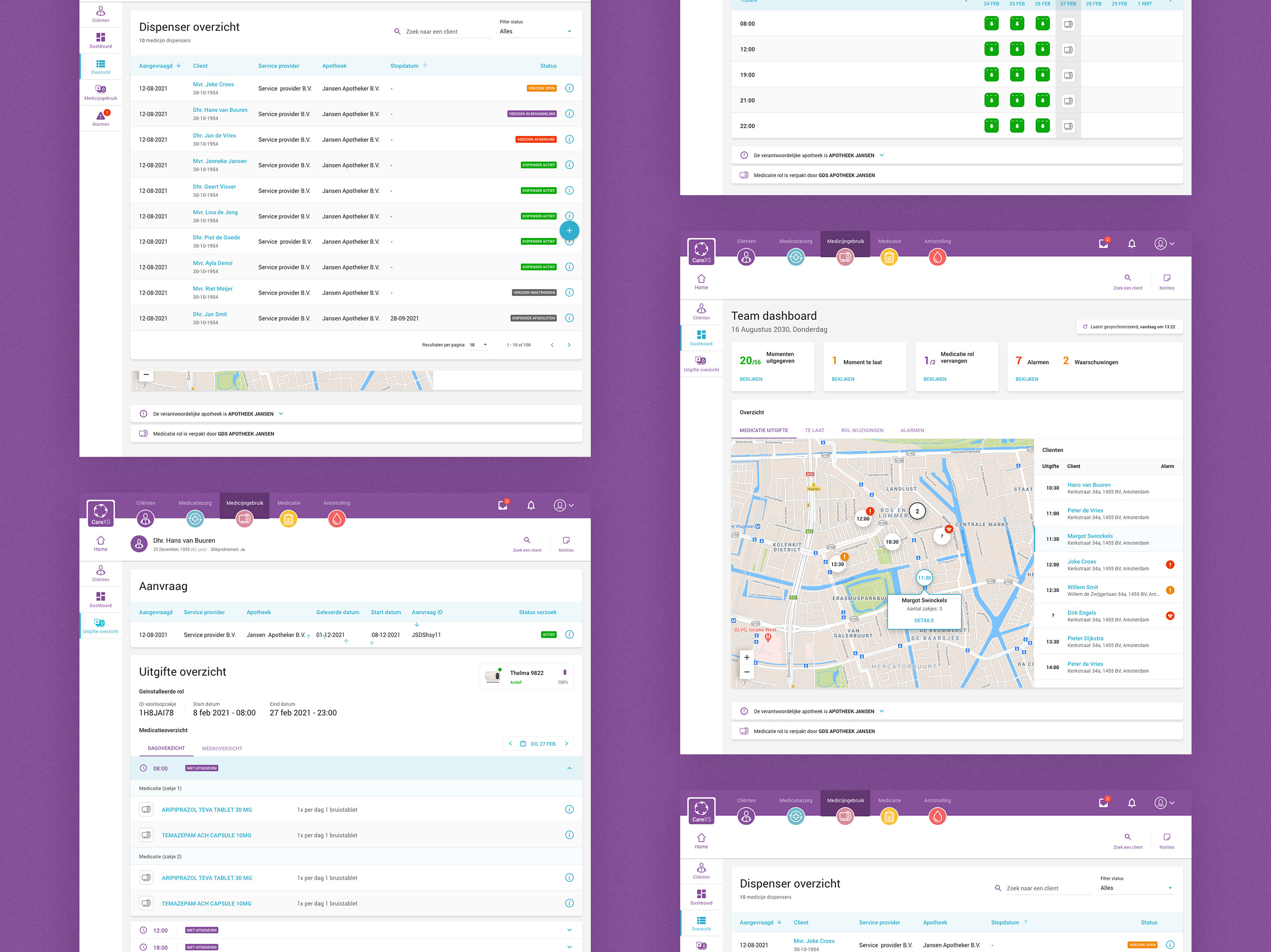
Thelma's workflow is designed for efficiency and support: it ensures patients receive prompt notifications for their medication, aids nurses in tracking adherence and alerts them to any missed doses, and enables informal caregivers to access medication schedules and updates, fostering greater involvement in the patient's healthcare routine.
Features
- Medication moment notifications and settings.
- A user-friendly homescreen with next medication reminders.
- Night mode and visually impaired mode for better accessibility.
- Integration with voice control and patient calendars for proactive support.
Postconditions
- Patients achieve a higher rate of medication adherence.
- Nurses experience a decrease in home care visits, allowing for better time management.
- Informal caregivers are more informed and can intervene promptly when necessary.
Success Criteria
- 95% adoption rate of the dispenser among users.
- 90% of medication pouches are successfully dispensed and taken by patients.
- Positive feedback from all user groups on usability and efficiency.
Ideation
In the ideation phase for Thelma, our collaborative efforts focused on generating innovative approaches to medication management. We translated these concepts into tangible designs and prototypes, incorporating user feedback at every stage to refine our solutions. This crucial step shaped an app that truly meets the needs of both patients and healthcare providers.
Leveraging insights from our UX Canvas, we examined existing healthcare applications for best practices in user engagement and adherence. The design of Thelma was meticulously aligned with healthcare industry standards, ensuring familiarity and ease of use. We employed recognized design patterns and principles in medical UX to ensure that our interface was intuitive, thereby minimizing the learning curve and enhancing user confidence.
Customer Journey for Patients Using Thelma Dispenser
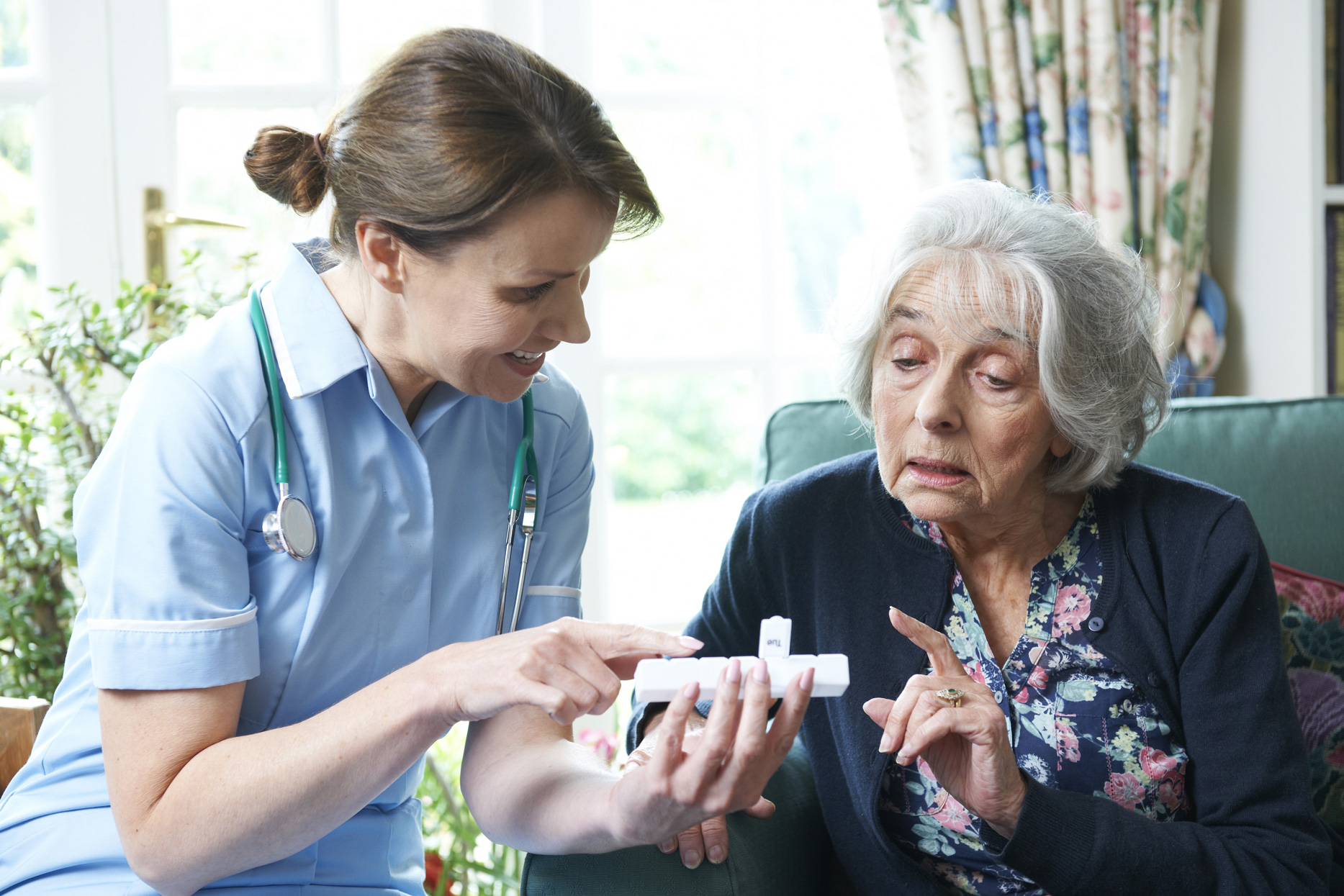
Patients discover Thelma, see its benefits for autonomy in medication, acquire the dispenser, and begin to use it daily. Gradually, it becomes an integral part of their healthcare routine, leading to better adherence and independence.
Customer Journey for Healthcare Professionals Monitoring Remotely
Healthcare professionals learn about Thelma as a remote monitoring tool, receive training, and start overseeing patient medication adherence digitally. They adapt care based on real-time data, enjoy streamlined workflows, and ultimately provide more effective and personalized patient care.
Sketches
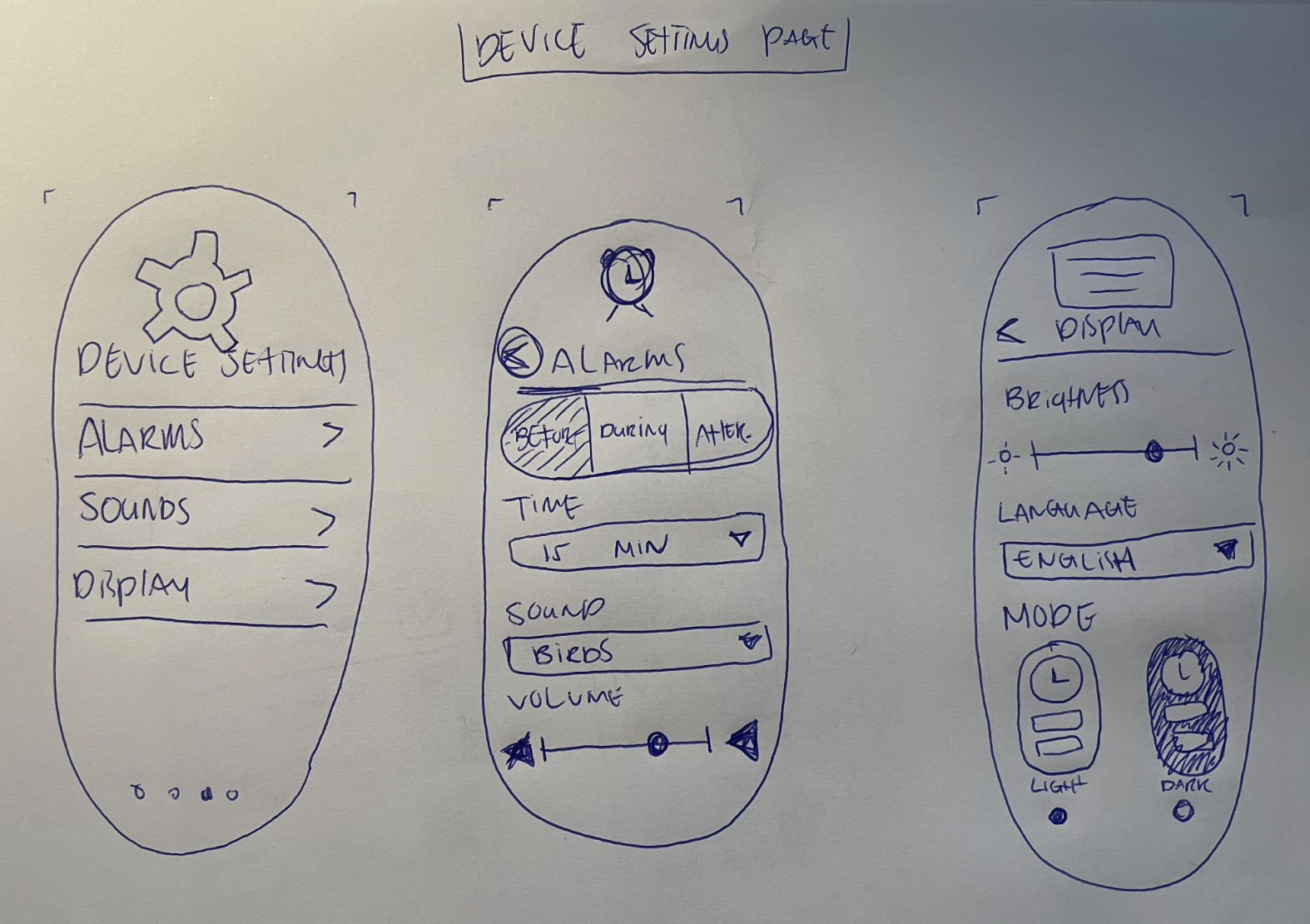
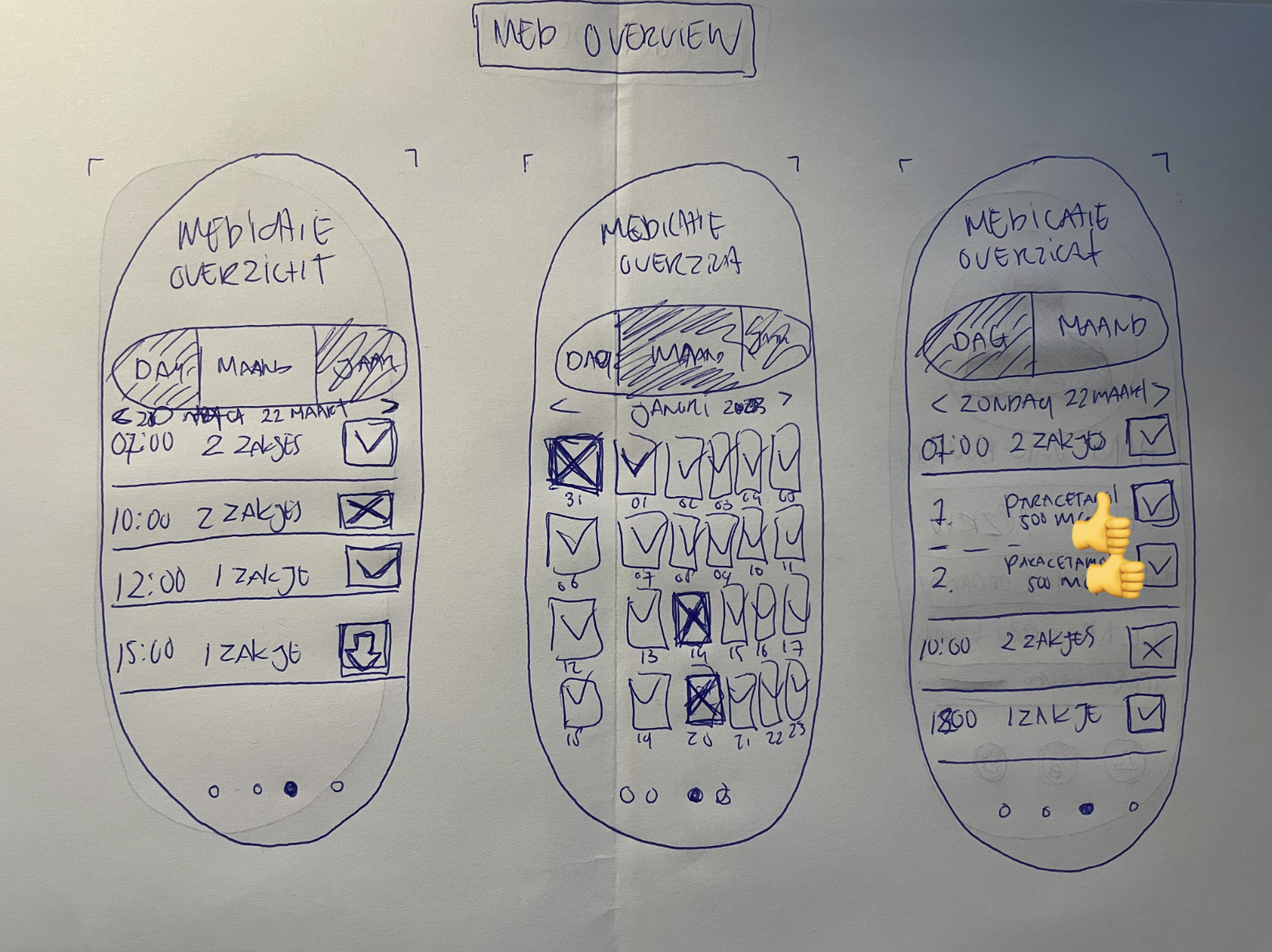
In our sketch phase for Thelma, we shifted from brainstorming to visualization, sketching out quick wireframes to capture the interface's layout and functionality. We focused on creating a variety of sketches that represented different user interaction scenarios, ensuring we explored a range of possibilities for how the interface might look and feel.
These initial sketches served as a springboard for further refinement and user testing, allowing us to iterate rapidly based on early feedback.

Prototyping
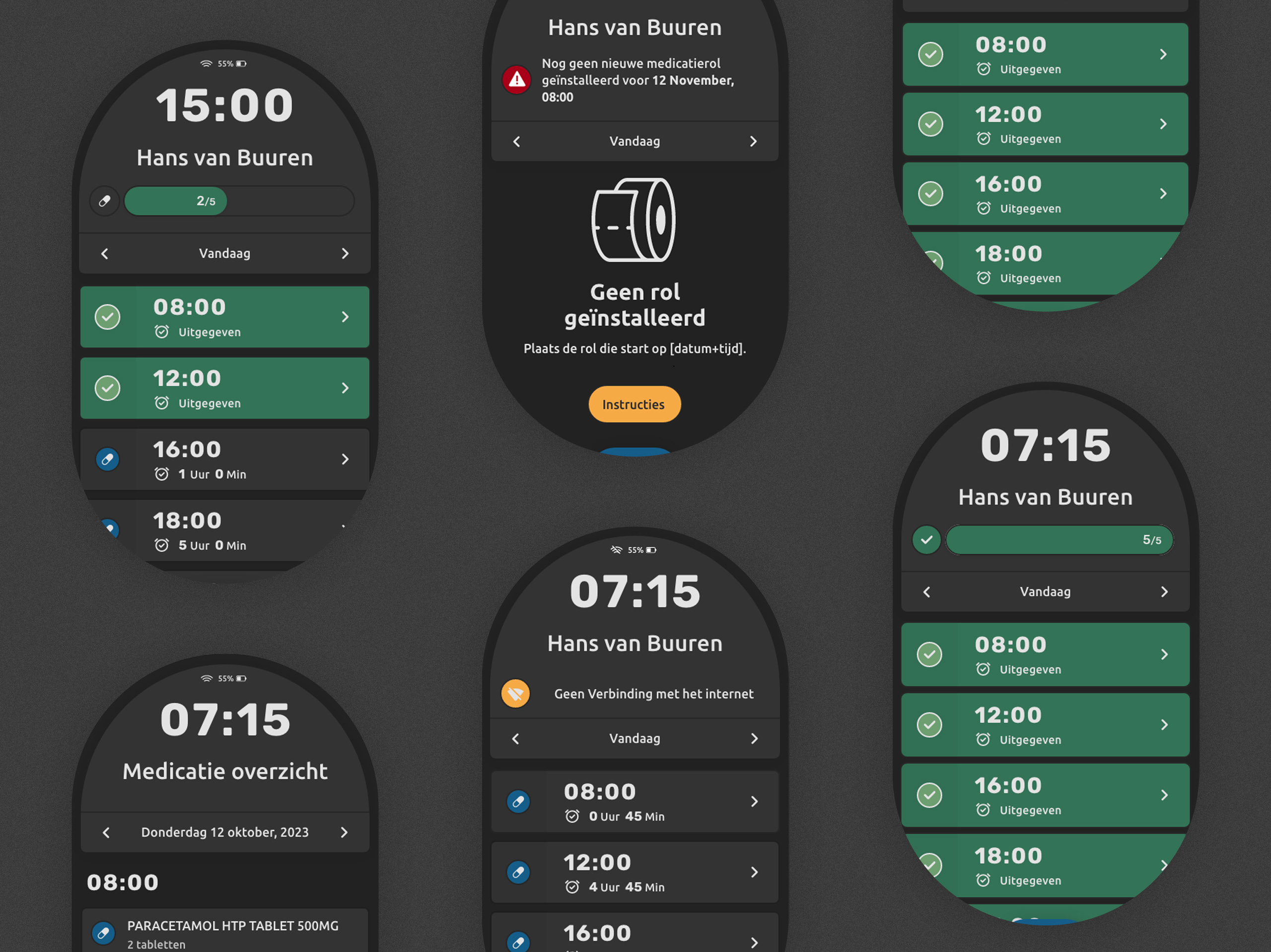
In our prototyping phase, we utilized Adobe XD to transform our initial sketches into interactive prototypes. Adobe XD's collaborative features allowed us to work fluidly as a team, iterating designs in real-time and sharing progress with stakeholders for immediate feedback.
Through this tool, we could simulate user interactions and flows, refine the UI, and validate usability, ensuring that every aspect of the Thelma interface was intuitive and met the needs of our users before moving into the development phase.

Validating design decisions
Usability testing
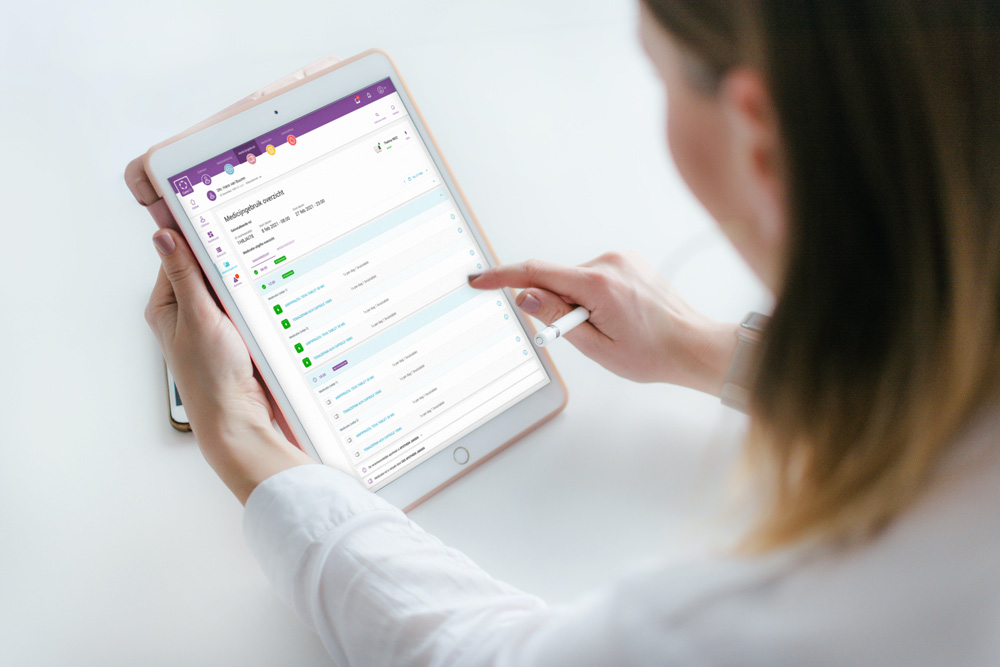
During our usability testing phase, we collected feedback from real users to assess how well the Thelma interface was working. We organized structured tests in which users were given specific tasks to complete. While they worked, we watched closely and made notes about any problems they encountered with usability.
This direct feedback was essential for several reasons: It helped us spot any elements of the interface that weren't intuitive for users.
It confirmed that our design choices were on the right track.
It gave us a clear picture of the overall user experience.
With these insights in hand, we were able to make informed decisions to improve and refine the interface. Our goal was to create a design that not only worked well but was also easy and enjoyable for our users, meeting their needs effectively.

Better Sleep and Enhanced Productivity
Conclusion
The full-scale launch of the Thelma system marked a significant advancement in medication management. The integration of Thelma into daily healthcare routines demonstrated a tangible increase in patient autonomy, allowing individuals with cognitive or physical limitations to take charge of their medication intake with newfound confidence. Healthcare providers, equipped with Thelma's monitoring capabilities, optimized their workflows, dedicating more time to critical care areas and less on routine medication checks.
Moreover, the system's impact extended to informal caregivers who, with Thelma, found a reliable partner in managing the health of their loved ones. The collaborative nature of the interface facilitated a network of support, ensuring that medication adherence was a collective effort.
The journey from concept to reality was steered by the UX Canvas method, which illuminated the user experience at every touchpoint. This methodical approach to design placed the users at the forefront, ensuring that each feature resonated with their needs and preferences. The result was an intuitive product deeply rooted in the realities of its users, bridging the gap between technology and compassionate care.
As we conclude this use case, the success of the Thelma system stands as a testament to the power of user-centered design in healthcare technology. It underscores our commitment to enhancing the quality of care through innovation and empathetic design, paving the way for future advancements in the industry.